Pioneering woman astronaut reflects on Christina Koch, first woman set to go to the moon


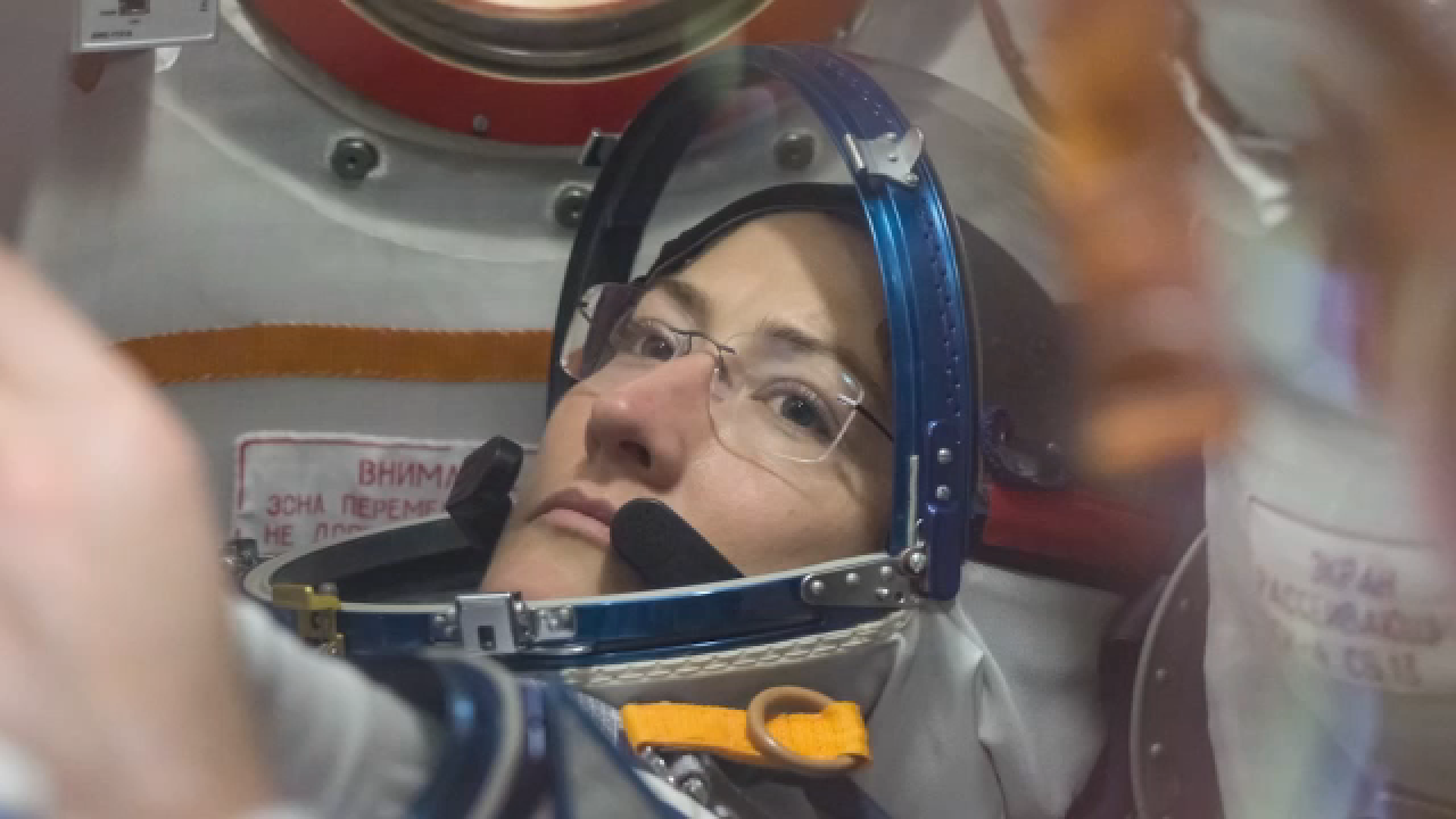
HOUSTON, Texas (KTRK) -- The mission takes place in April, but NASA astronaut Christina Koch's colleagues believe Women's History Month is a perfect time to highlight what she's about to accomplish.
In April, NASA plans to return to the moon with astronauts on the Artemis II mission. One of those crew members is Christina Koch, who will be a mission specialist.
A role retired NASA astronaut Peggy Whitson hopes will inspire a new generation.
"For young girls, I think it's important to see someone like them doing and achieving these things that haven't been done before," Whitson said.
Going to the moon isn't new for NASA astronauts. 24 of them flew to the moon during the Apollo missions.
While the assignments were different, one thing stayed the same: all of the astronauts were men. More than 50 years later, that's set to change.
Koch will become the first female to travel to the moon. A feat Whitson has longed to see.
"I am thrilled that we are returning to the moon, and I am expecting there to be women as a part of all of these missions because we have a lot of competent female astronauts out there," Whitson explained.
None better than Whitson, said Koch. She knows this firsthand.
Whitson, who's currently the vice president of human spaceflight at Axiom Space, has spent more time in space than any other female. She held the longest continuous female spaceflight record. That changed when Koch broke it.
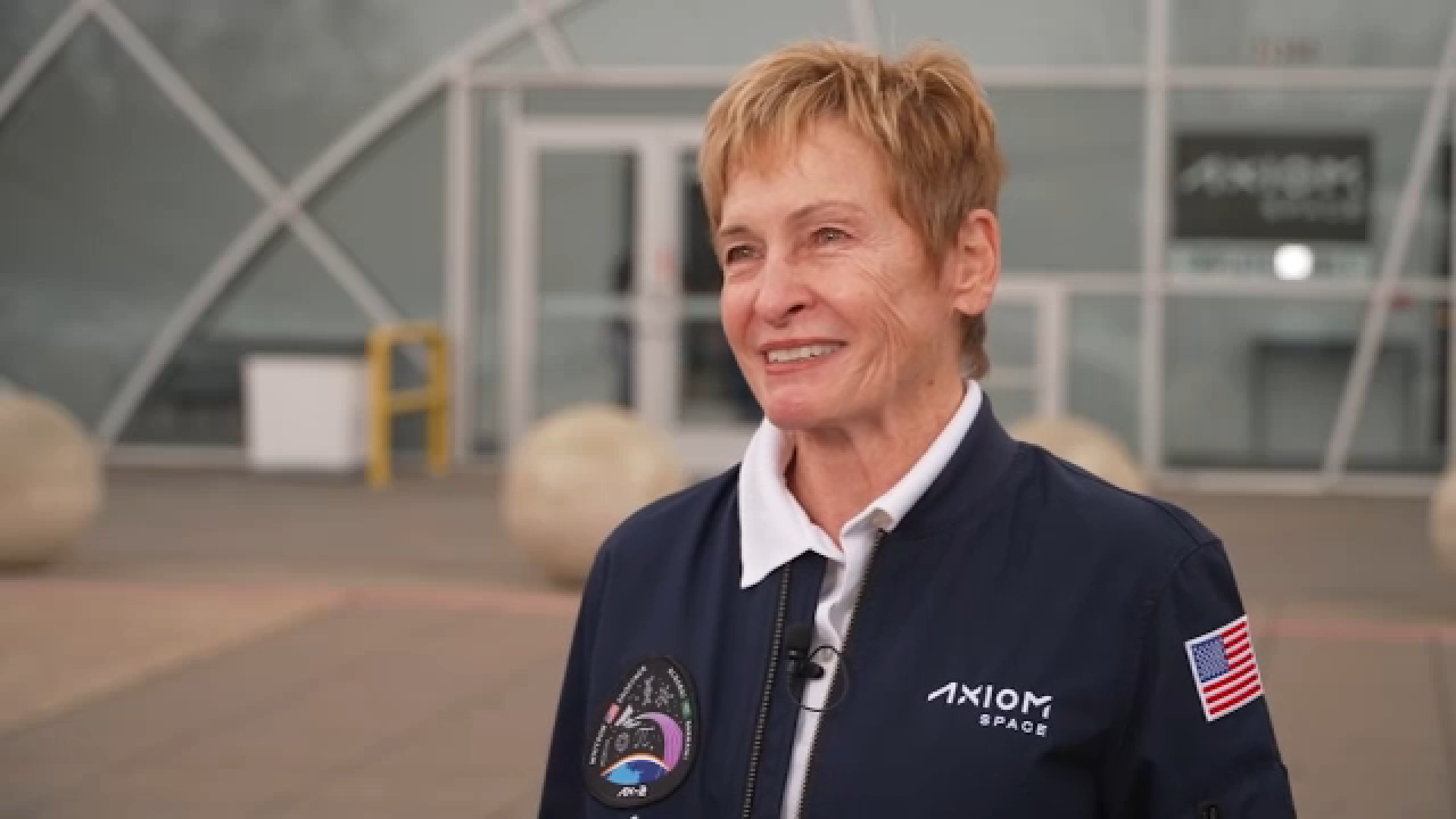
"She and I have a similar mindset that it's really important; we're not progressing if we're not breaking those records," Whitson said. "I know she's looking forward to the next record."
NASA flight director Paul Konyha has a front-row seat to witness the next record.
"While she might be the first woman to do this, she's just an incredible astronaut, period," Konyha explained. "That should not be lost on this. The fact that she's selected because she's really, really good."
Konyha will work in mission control at the Johnson Space Center in Houston while Koch travels to the moon. Konyha said right now Koch's focused on the mission, but he believes she also understands the gravity of the situation.
"I think she will reflect on it afterwards and be able to put that into perspective when she gets back and probably not thinking about it too much until that time," Konyha said.
We asked NASA if we could talk to Koch. However, with the Artemis mission being so close, we were told she was unavailable.
After she returned to Earth from her record-breaking spaceflight mission six years ago, we did talk to her about the historic milestone.
"My main message to anyone who has a dream is to follow your passions, be true to yourself, do what you love and live the life that you've imagined for yourself," Koch said in 2020.
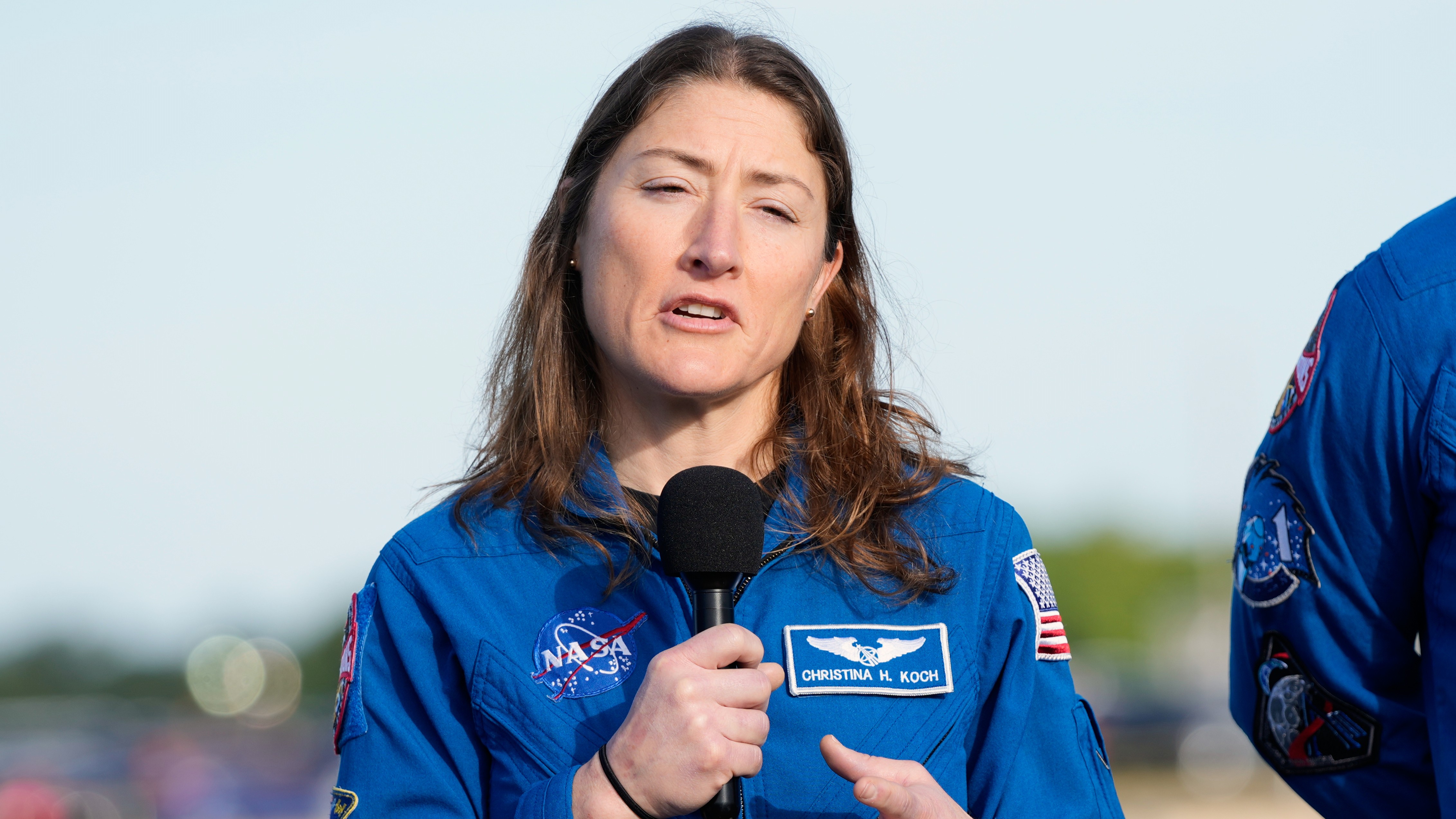
Koch spent more than 300 days in space to set her previous record. This time, NASA said the Artemis II mission may not last more than ten days.
While the length is shorter, the magnitude of what she's about to do, Whitson said, is bigger than anything before.
"It's so important to prove to young people that they too can break records and with enough effort and determination can achieve amazing things that they wouldn't have necessarily dreamed of," Whitson said.
Which is why Witson said the Artemis II mission is much bigger than just going back to the moon; it's also about who's going there.